I was visiting Nova Scotia last month in late May and spent a day in the Annapolis Valley, the province’s wine-producing region in the western part of the province, near the Bay of Fundy.
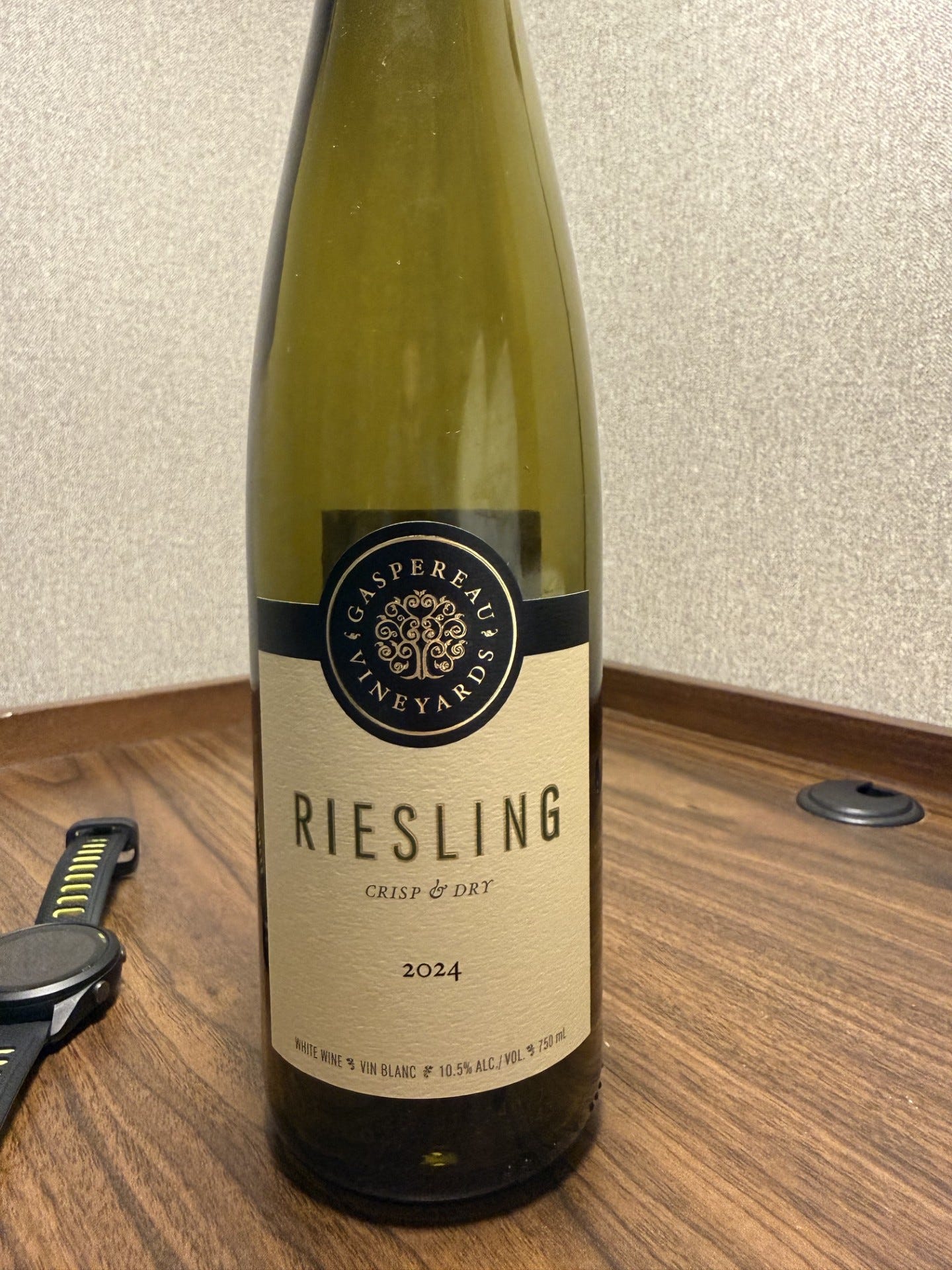
The evening prior to the winery visits, I picked up and uncorked a 2024 Riesling from Gaspereau Vineyards, a local producer in the Gaspereau Valley, a subregion within Annapolis that is shielded from some of the province’s harsher climates. It presented pale lemon in the glass, with medium intensity and aromatics of citrus fruit, particularly lemon and lime, along with green and yellow apple. The palate was dry, with strong acidity and a medium finish. It was a fine and perfectly acceptable example of Riesling. Only the day after did I learn that, in 2024, Nova Scotia’s agriculture had been ravaged by a frigid polar vortex that wiped out much of its fruit. Consequently, that bottling sourced grapes from my own province of Ontario. I had travelled a long way to taste a Riesling grown in my own backyard.
But Nova Scotians, and their province, seem marked by tragedy, from the 1917 Halifax Explosion to the sinking of the original Bluenose and the tragic crash of Swissair Flight 111. Still, they are a resilient people. And the wines of Nova Scotia — the ones from surviving local grapes, at least — are much like Nova Scotians themselves. They are unpretentious, approachable, and accustomed to such harsh climates that would send most of us packing to greener pastures.
The first winery I visited was Luckett Vineyards, where I was told the founder, Pete Luckett, established the brand with the goal of proving that Nova Scotia could produce capable red wines. The region is better known for sparkling wines and still whites from cold-hardy hybrids, but curious to see how their reds were coming along, I tasted the Pinot Noir.
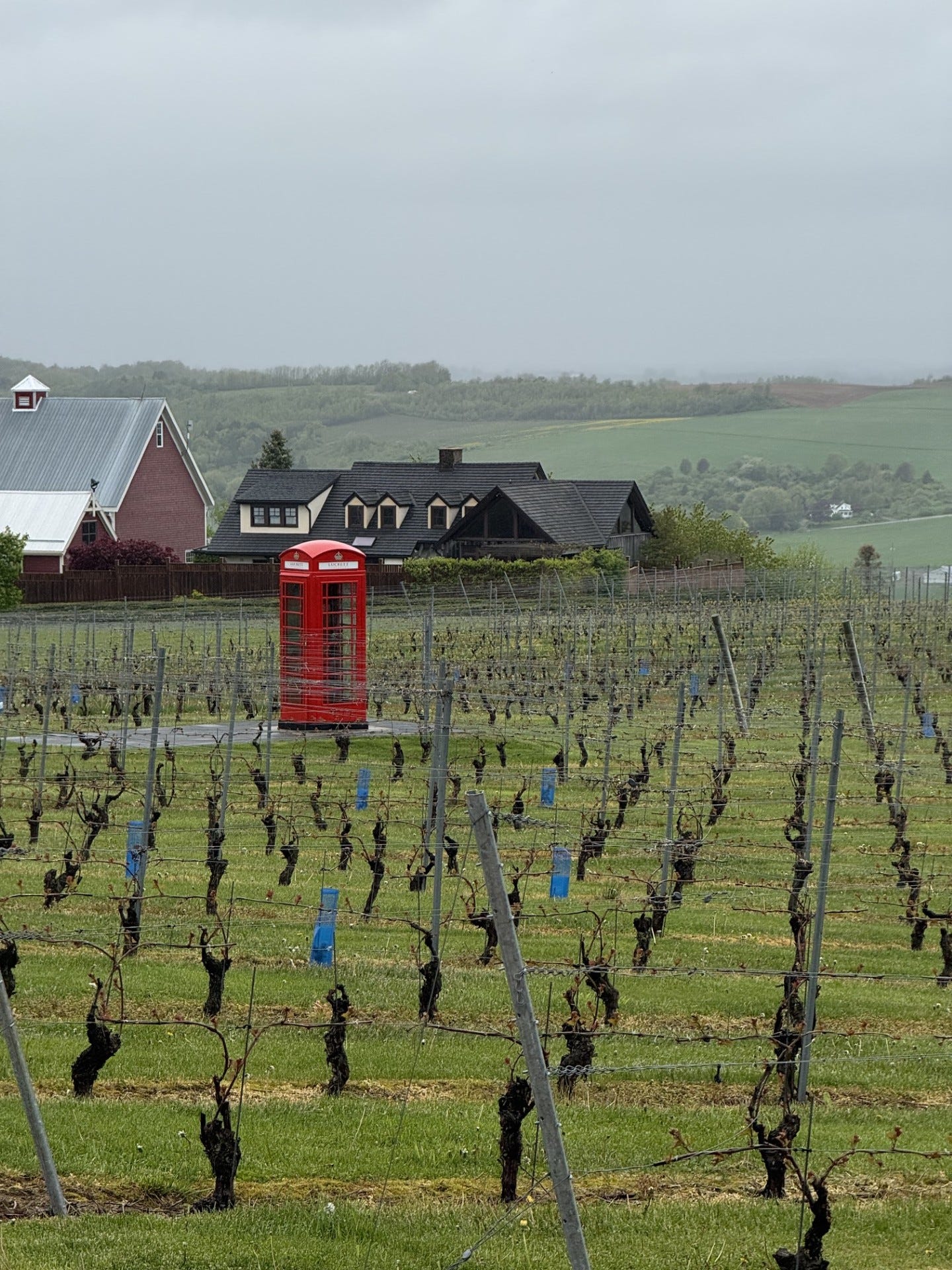
Luckett’s Pinot appeared medium ruby in the glass, with medium intensity on the nose and the expected cool-climate bouquet of red fruits: raspberry, red cherry, and red currant. Some neutral oak influence imparted a gentle addition of clove and cardamom. The wine had generous acidity, to be expected of such a cool climate, and fine, chalky tannins. There was, however, a noticeable green and vegetal note, which suggested either some unripe stem inclusion during fermentation or fruit that had not quite achieved full ripeness. Pinot problems aside, Luckett has a beautiful estate, complete with an iconic red British phone booth amid the vines, from which you can make free calls anywhere in the country to rave about how many glasses you’ve just downed.
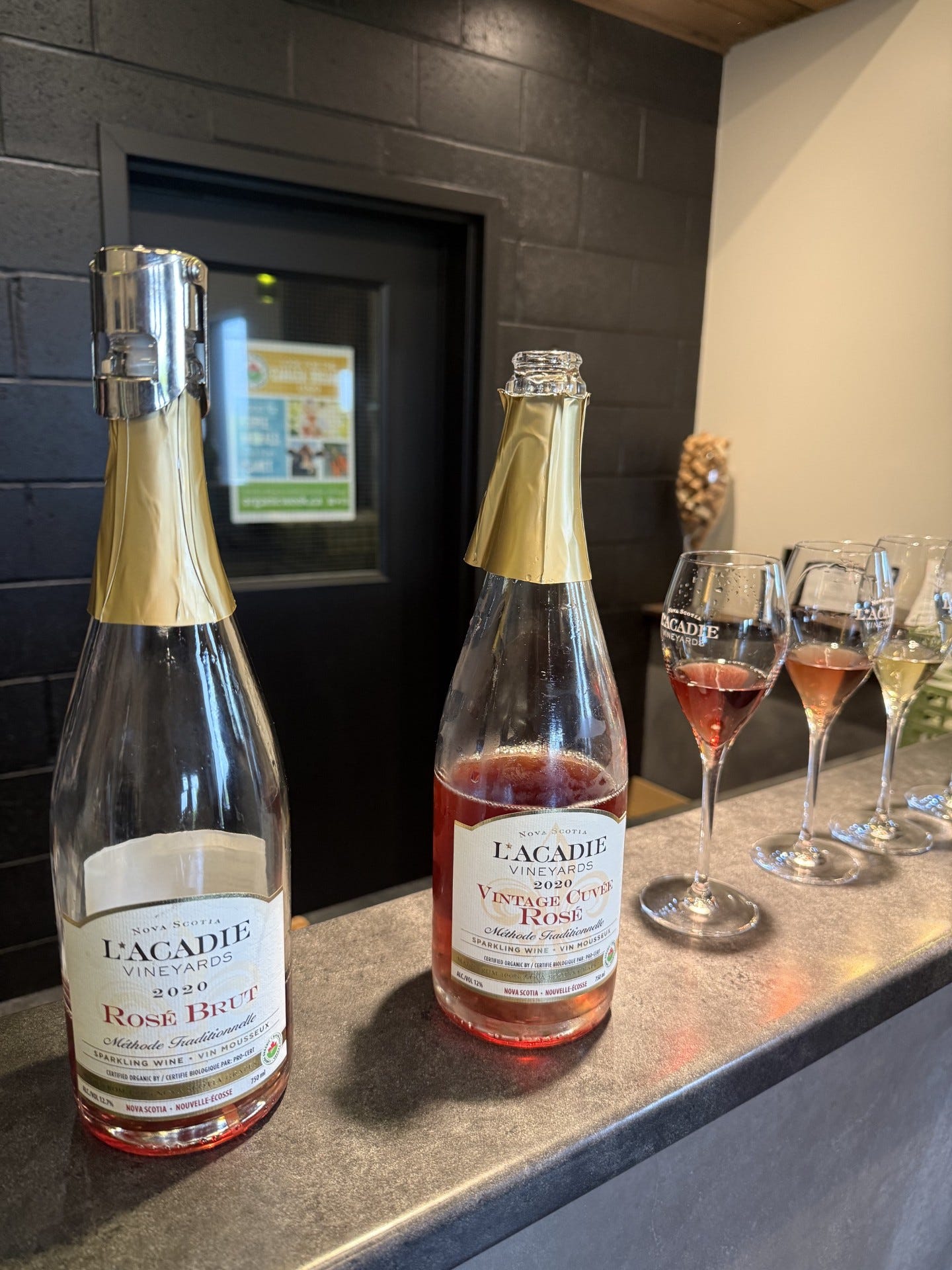
The second vineyard, L’Acadie, specialized in sparkling wines, a more naturally suited style for the region and climate. They produce traditional-method wines from the region’s signature hybrid, L’Acadie Blanc, as well as Maréchal Foch. I tasted the “Vintage Cuvée Rosé,” aged 18 months on the lees. There was a persistent, textural mousse and a lovely velvety palate of brioche and yeasty notes, complemented by delicate strawberry, orchard fruit, and citrus. If you’re going to drink wine in Nova Scotia, this is your best bet — ideally with the province’s abundance of lobster rolls.
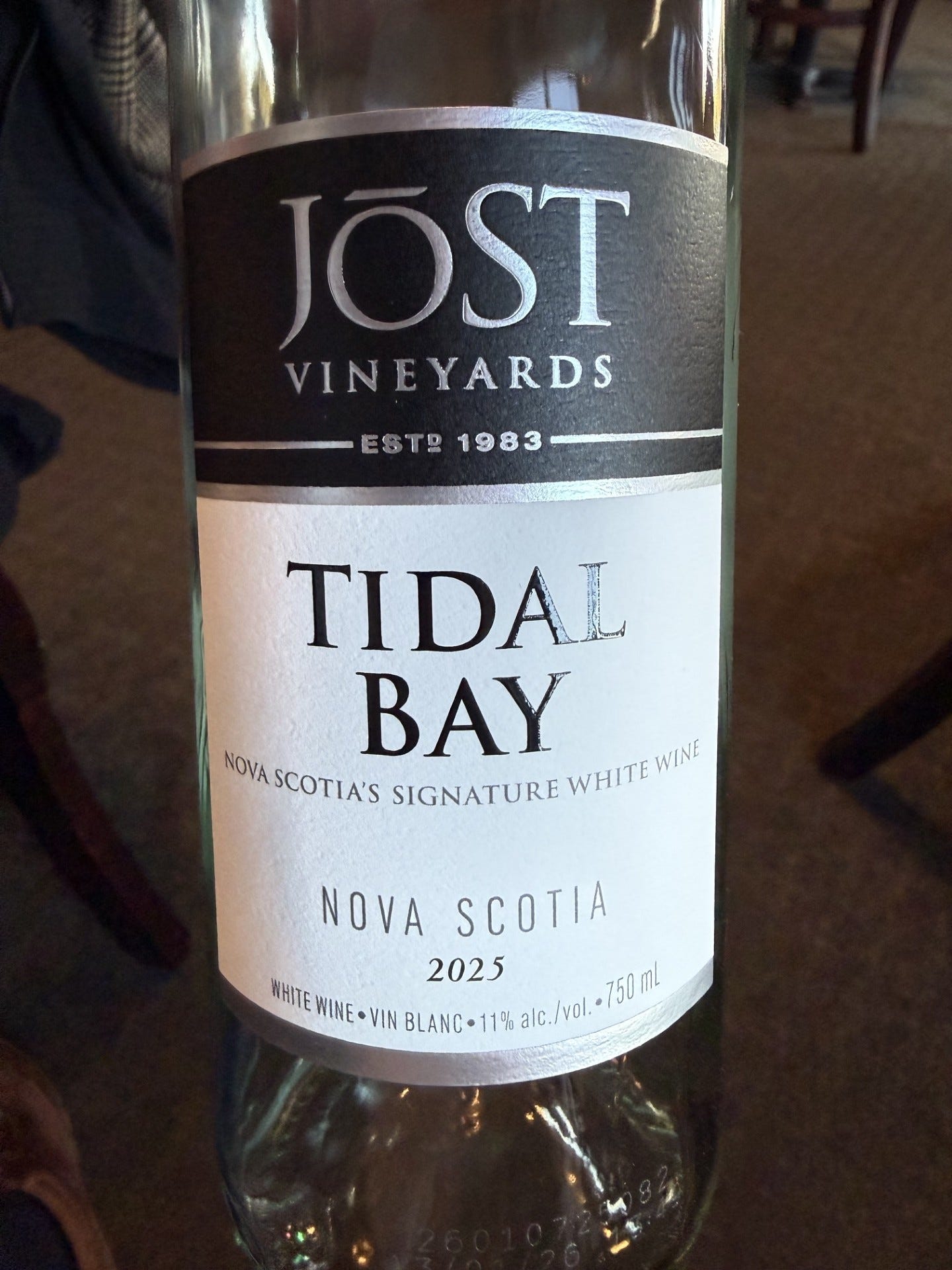
Finally, I tasted the most heavily marketed export of Nova Scotian wine: Tidal Bay. Created in 2012 by the province’s winemakers, Tidal Bay is often described as North America’s first appellation built around a prescribed wine style rather than geography alone. To earn the designation, wines must be made entirely from Nova Scotia-grown grapes selected from an approved list of varieties and pass a blind tasting panel intended to ensure they reflect the region’s distinctive maritime character.
There are some subtle differences among them, but the general style tends towards highly aromatic whites and generous acidity that express tropical fruits ranging from pineapple to mango, and some citrus character like grapefruit and lime. They are a natural accompaniment to the region’s seafood and carry enough aromatic intensity to cut through richer dishes like chowder or fish and chips.
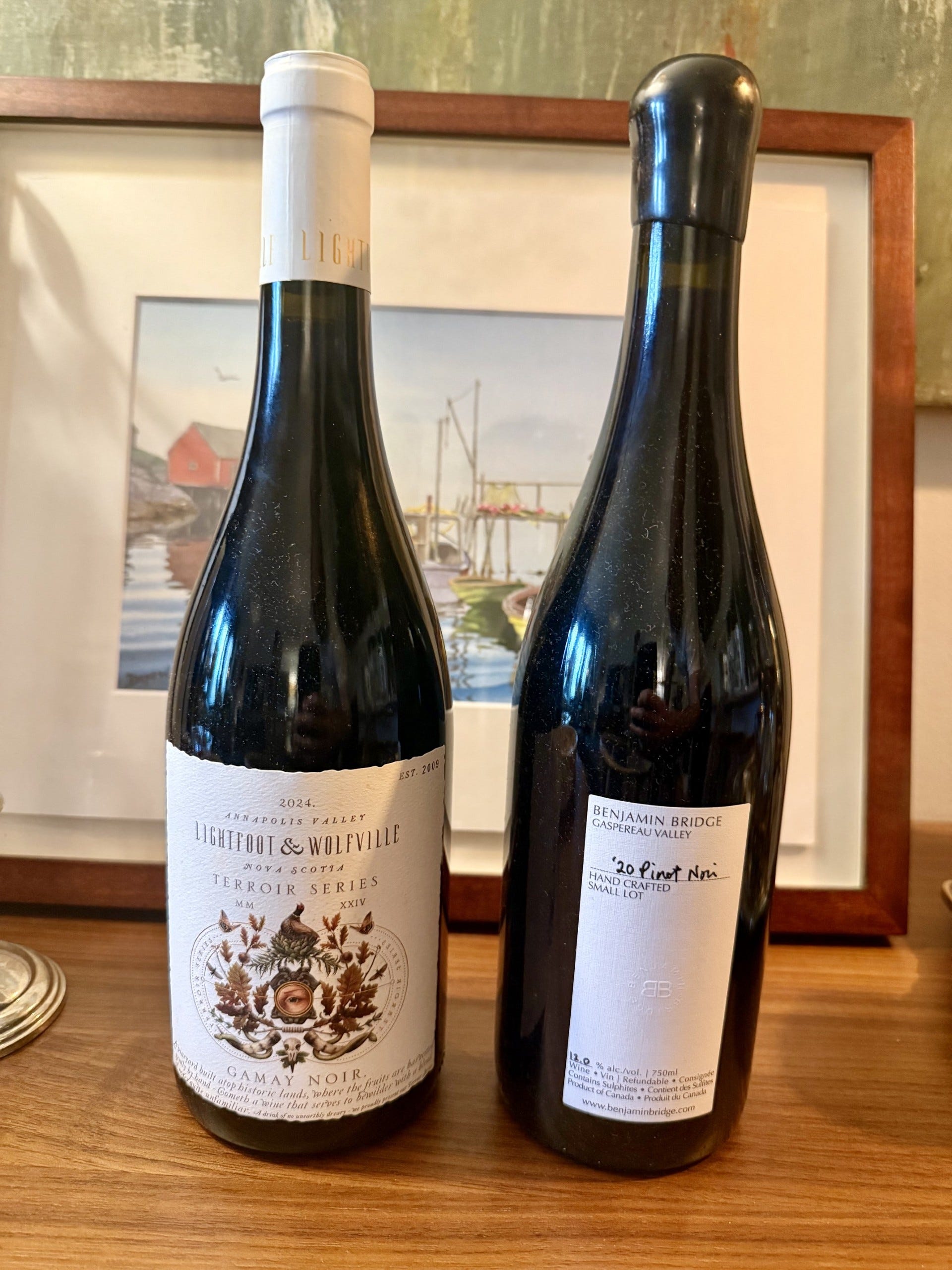
I also flew home with a Gamay from Lightfoot & Wolfville — their winery was closed at the time of my visit — and producer Benjamin Bridge’s small-lot, handcrafted Pinot Noir from 2020, their one remaining bottle from what I was told was an exceptional and singularly warm vintage. I look forward to tasting both and reporting back next time.